Tiếng Việt
 中文 (中国)


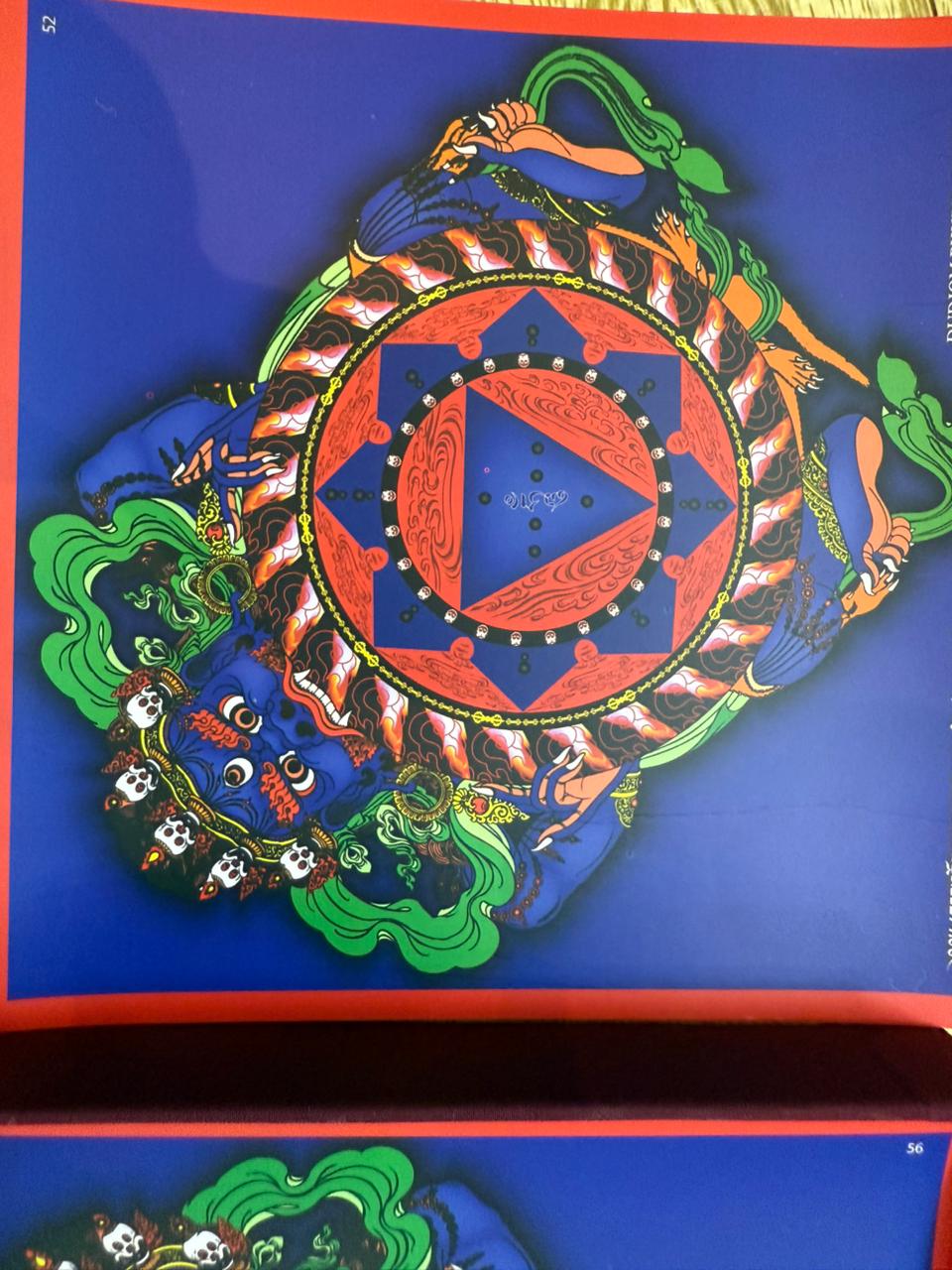
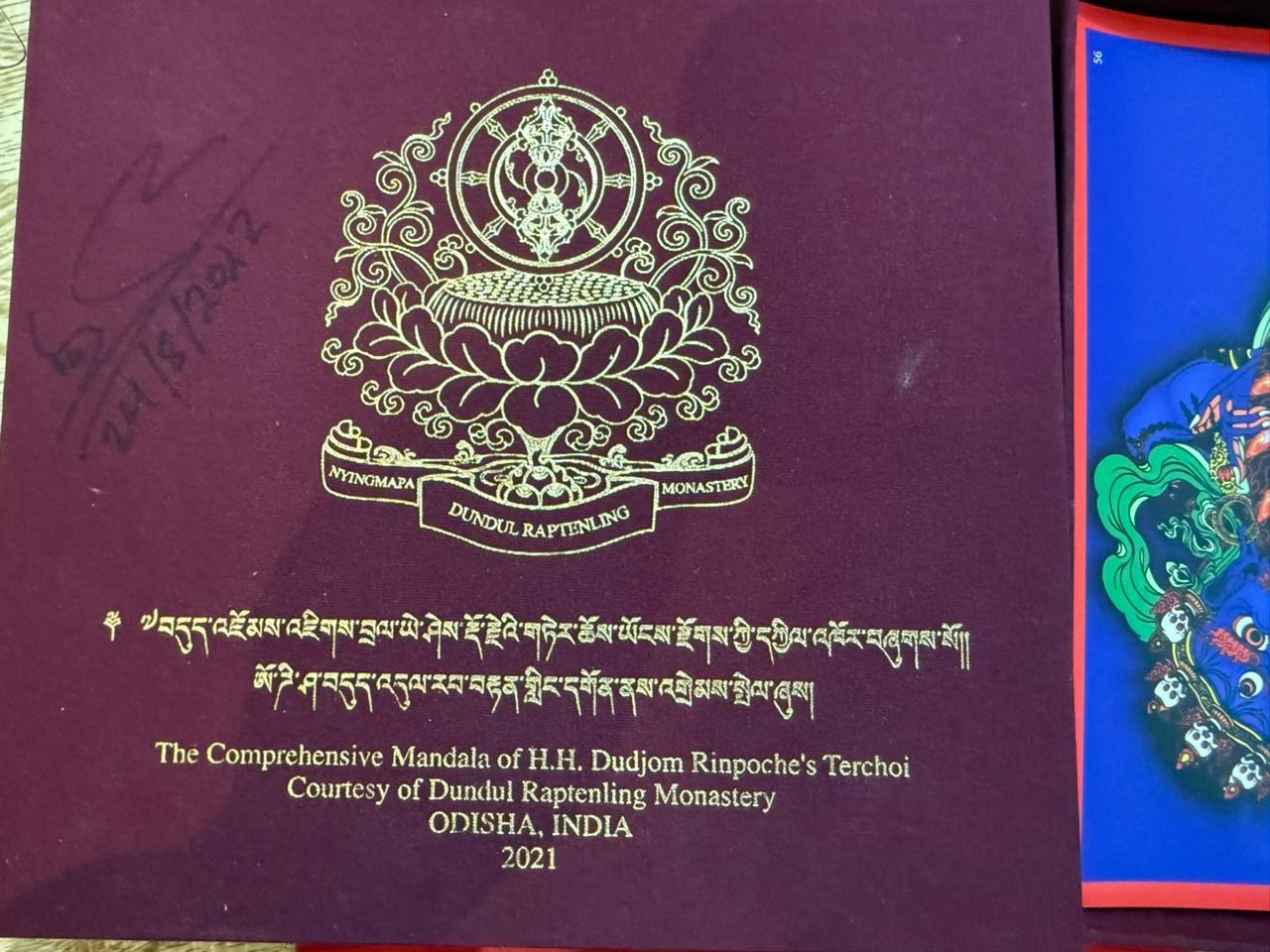
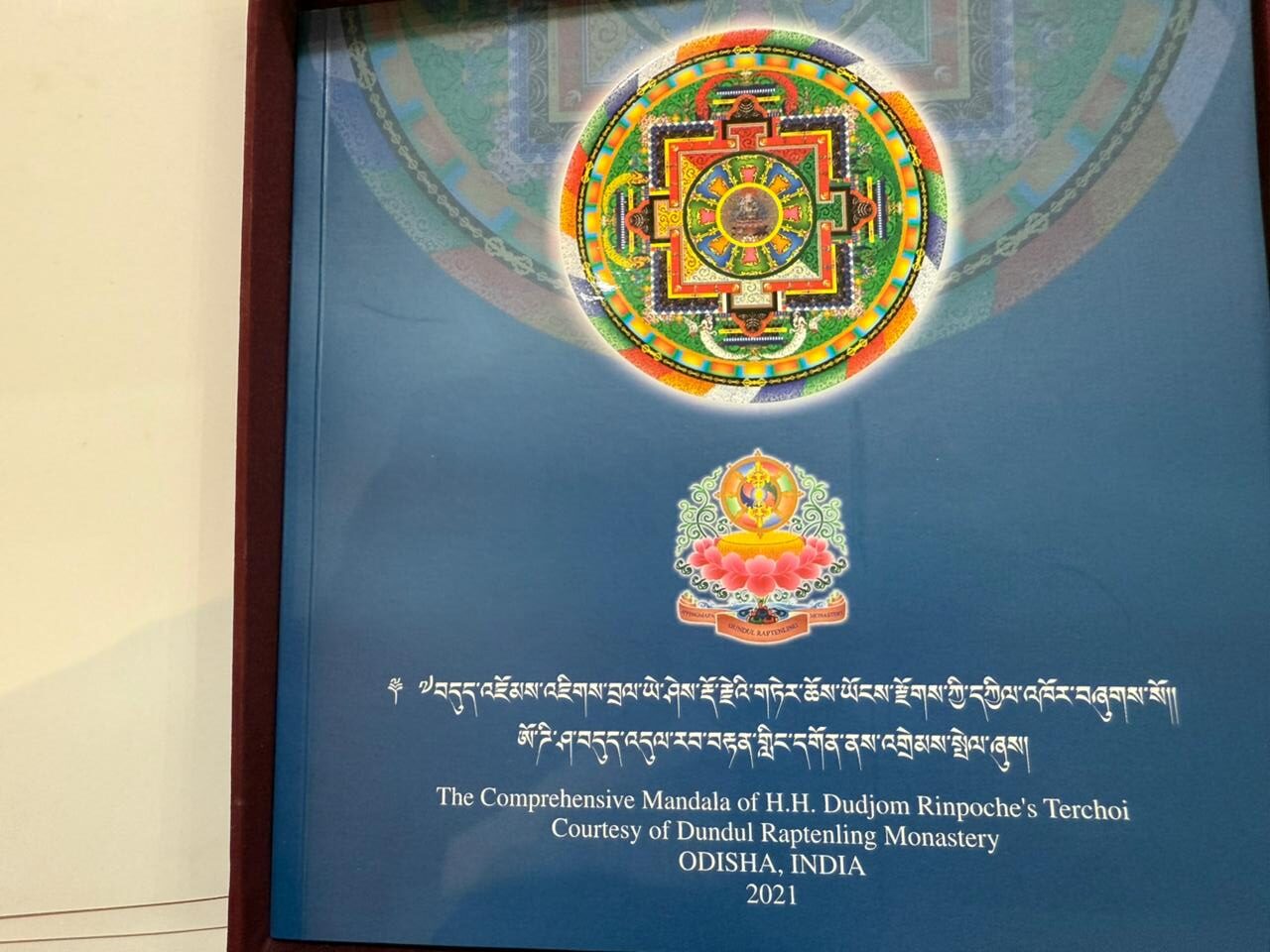
Collection of Mandala Paintings of the Dudjom Tersar
2,800,000 ₫
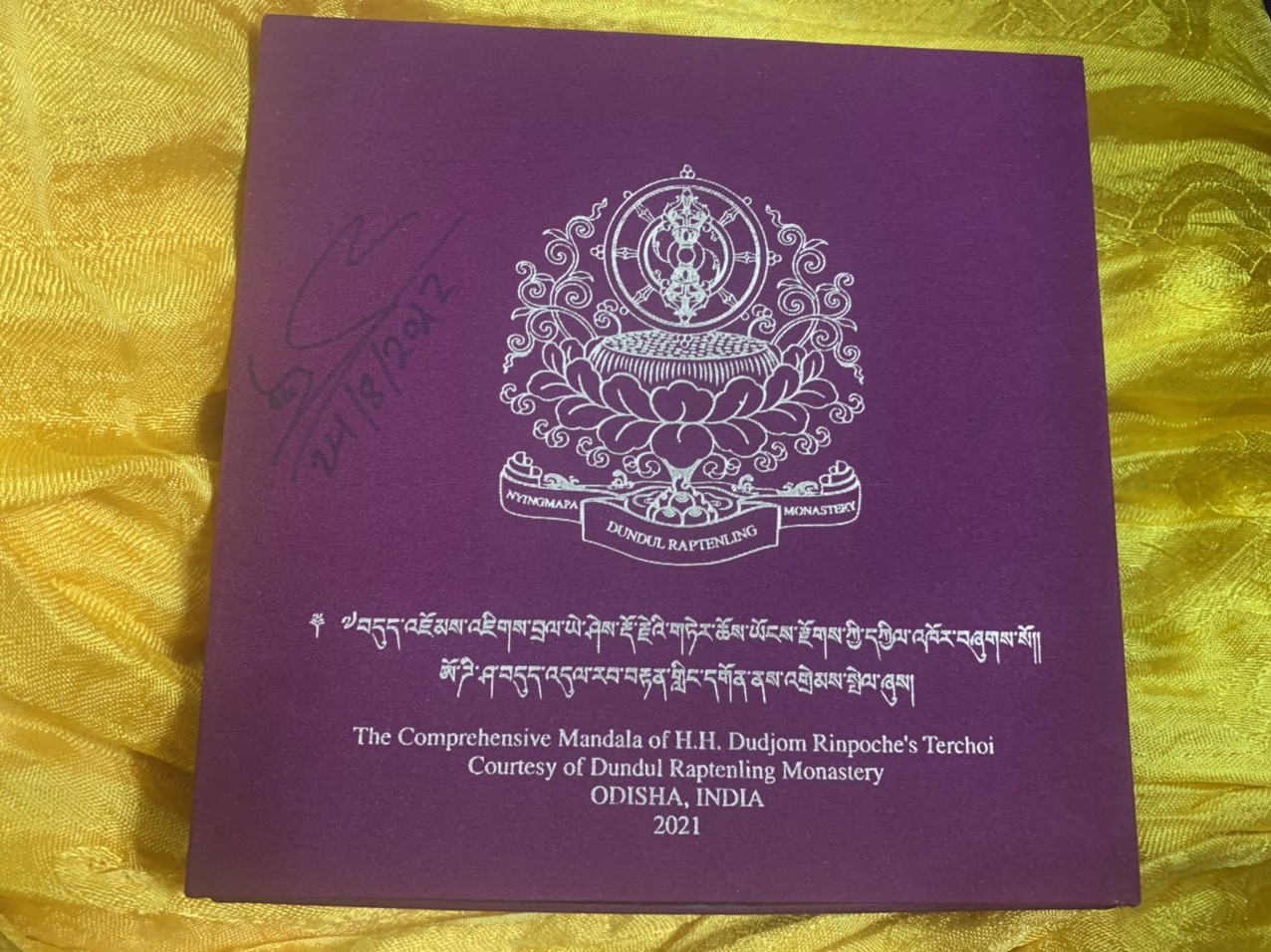
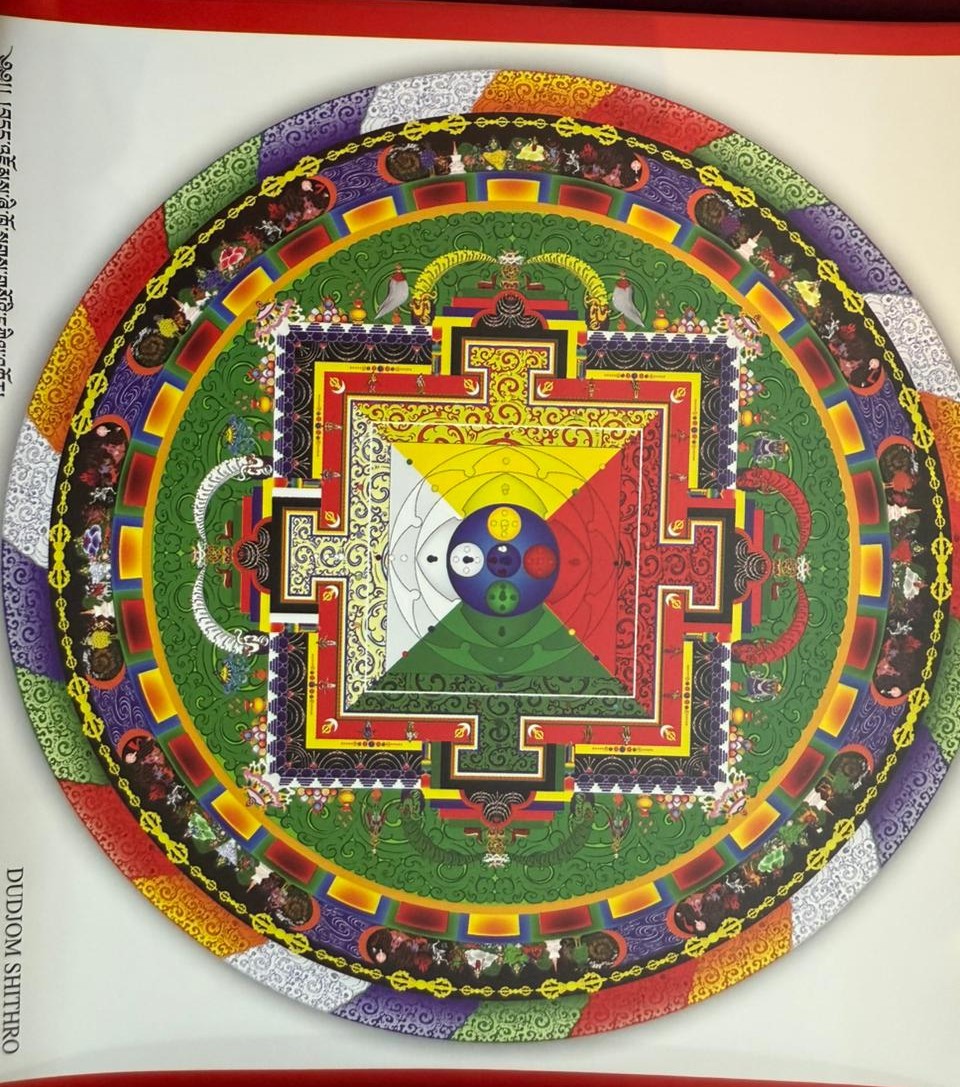
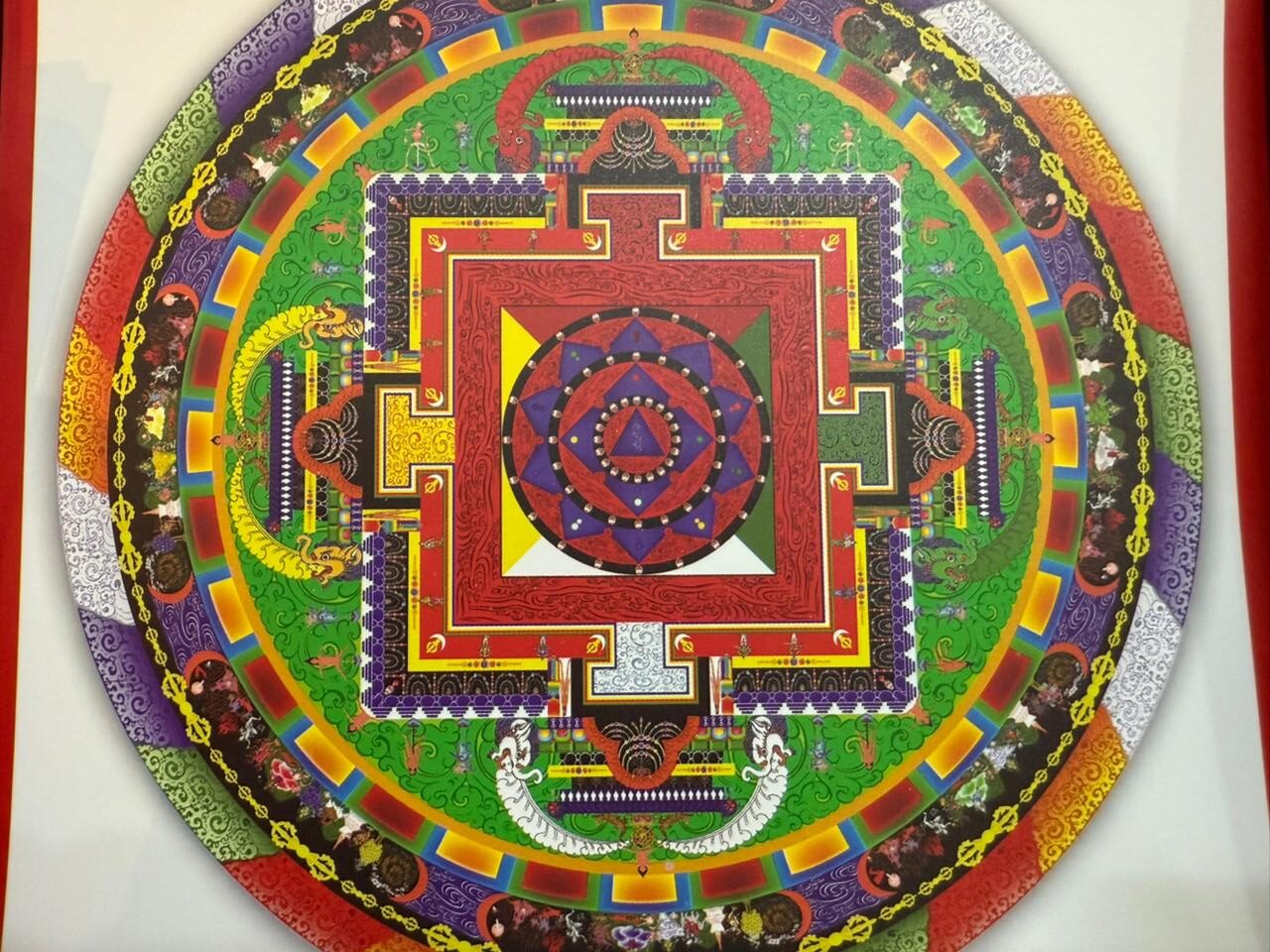
Collection of Mandala Paintings of the Dudjom Tersar Deities
— Introduction to the Mandala Collection of the Dudjom Lineage —
Dungse Garab Dorje stated:
“In this present degenerate age, many people do not recognize the mandalas of the deities. In fact, although we regard ourselves as practitioners, we fail to recognize the mandala of our own deity. Therefore, I feel deep appreciation and gratitude toward Dundul Rabtenling Monastery for publishing the Mandala Collection of the Dudjom lineage. It will certainly bring great benefit to disciples in the development of wisdom, and through this book may sentient beings be liberated from ignorance and come to see the Dharmakaya—which itself is a true mandala.”
The term mandala refers to the principal and retinue deities described in the tantric scriptures, and it is also understood as the palace of the main deity. To truly understand the nature of a mandala, when a disciple receives empowerment or is introduced to it, mandalas are explained in terms of the mandala of enlightened body, the mandala of enlightened speech, and the mandala of enlightened mind. Furthermore, mandalas are classified as inner or outer; as mandalas of the ground, path, or result; as peaceful, enriching, magnetizing, or subjugating mandalas; and as mandalas belonging to various inner or outer tantric classes such as Kriya Tantra, Charya Tantra, and so forth.
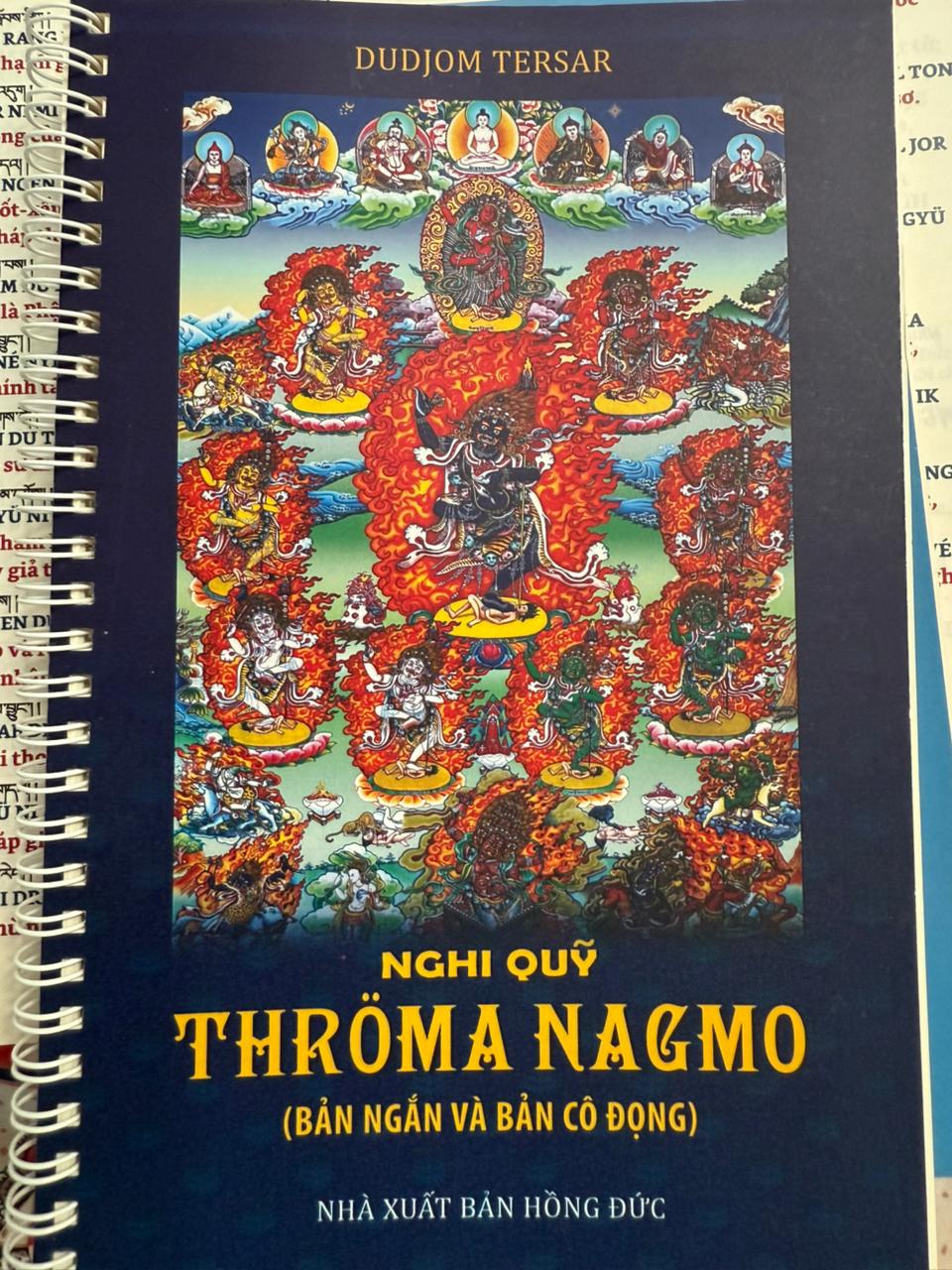
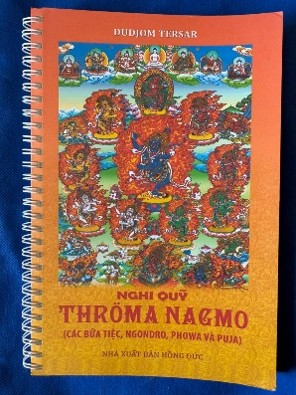
Through extraordinary effort, the authors—Rinpoches Lama Sonam Tashi and Dechen Dorje—have completed this extensive collection of 78 mandalas, together with profound commentaries on the mandalas of the Dudjom Tersar lineage. This is an extremely precious Dharma treasure, which may be used as a resource for study and practice, as well as for shrine use to increase merit and auspicious conditions for Buddhists in general, and for yogic practitioners in particular. In addition, devotees and faithful admirers may respectfully request this Mandala collection (as well as the Troma Nagmo Tantra) and place it in clean and proper locations such as bookshelves, cabinets, or altars. Doing so will surely invoke auspiciousness and smooth circumstances in life, as these mandalas are complete symbols of the presence of the Three Jewels and the Three Roots: the Gurus, the Deities, the Dakinis, and the Dharma Protectors.
May all be auspicious, and may the Buddhadharma remain and flourish everywhere! This publication is one of the activities intended to create karmic connections with this noble lineage, while also generating the merit of offering toward the construction of a sacred site—the Zangdok Palri project of Dudul Rabtenling Monastery in Odisha, under the guidance of Lama Sonam Tashi Rinpoche.
Collection of Mandala Paintings of the Dudjom Tersar Deities
— Introduction to the Mandala Collection of the Dudjom Lineage —
Dungse Garab Dorje stated:
“In this present degenerate age, many people do not recognize the mandalas of the deities. In fact, although we regard ourselves as practitioners, we fail to recognize the mandala of our own deity. Therefore, I feel deep appreciation and gratitude toward Dundul Rabtenling Monastery for publishing the Mandala Collection of the Dudjom lineage. It will certainly bring great benefit to disciples in the development of wisdom, and through this book may sentient beings be liberated from ignorance and come to see the Dharmakaya—which itself is a true mandala.”
The term mandala refers to the principal and retinue deities described in the tantric scriptures, and it is also understood as the palace of the main deity. To truly understand the nature of a mandala, when a disciple receives empowerment or is introduced to it, mandalas are explained in terms of the mandala of enlightened body, the mandala of enlightened speech, and the mandala of enlightened mind. Furthermore, mandalas are classified as inner or outer; as mandalas of the ground, path, or result; as peaceful, enriching, magnetizing, or subjugating mandalas; and as mandalas belonging to various inner or outer tantric classes such as Kriya Tantra, Charya Tantra, and so forth.
Through extraordinary effort, the authors—Rinpoches Lama Sonam Tashi and Dechen Dorje—have completed this extensive collection of 78 mandalas, together with profound commentaries on the mandalas of the Dudjom Tersar lineage. This is an extremely precious Dharma treasure, which may be used as a resource for study and practice, as well as for shrine use to increase merit and auspicious conditions for Buddhists in general, and for yogic practitioners in particular. In addition, devotees and faithful admirers may respectfully request this Mandala collection (as well as the Troma Nagmo Tantra) and place it in clean and proper locations such as bookshelves, cabinets, or altars. Doing so will surely invoke auspiciousness and smooth circumstances in life, as these mandalas are complete symbols of the presence of the Three Jewels and the Three Roots: the Gurus, the Deities, the Dakinis, and the Dharma Protectors.
May all be auspicious, and may the Buddhadharma remain and flourish everywhere! This publication is one of the activities intended to create karmic connections with this noble lineage, while also generating the merit of offering toward the construction of a sacred site—the Zangdok Palri project of Dudul Rabtenling Monastery in Odisha, under the guidance of Lama Sonam Tashi Rinpoche.
Related products